Personal injury cases feature two main types of liability: premise liability and general liability. Premise liability (also called premises liability) pertains to situations where an individual is injured on someone else’s property due to unsafe or hazardous conditions. General liability, on the other hand, covers incidents where an individual is injured due to the actions of another person, such as in a car accident. Understanding which applies to your situation is the first step toward pursuing the compensation you deserve, and the right personal injury attorney can make all the difference.
Premises Liability vs. General Liability: Quick Overview
| Category | Premises Liability | General Liability |
| What It Covers | Injuries caused by unsafe conditions on someone’s property | Broader injuries and damages from business operations |
| Who Files the Claim | Injured person files against the property owner | Third party files against a business |
| Who Responds | Property owner’s general liability insurance | The business’s general liability insurance policy |
| Scope | Narrower, limited to the physical condition of the property | Broader, covers employees, services, products, and advertising |
| Common Examples | Slip and falls, dog bites, elevator accidents, negligent security | Contractor property damage, defective products, advertising injury |
| Who Can Be Held Liable | Property owners, managers, or possessors | Business owners, employers, contractors, manufacturers |
Is Premise Liability the Same as General Liability?
As mentioned earlier, you might have a legal right to financial compensation after an injury. Whether you pursue a premise or general liability claim depends on who was responsible for the accident.
One important distinction to understand: the injured person files a premises liability claim, but the property owner’s general liability insurance is typically what responds to that claim. They are related but not the same thing.
Let’s look at the differences between premises liability and general liability:
Premise Liability
Premise liability occurs when you are injured on someone else’s property due to a hazardous condition that exists on the property. Under federal, state, and local laws, property owners and managers are obligated to maintain reasonably safe premises and warn the public of any unsafe conditions under certain situations. Whenever property owners neglect this duty, people can suffer catastrophic injuries and even fatalities, giving rise to premise liability claims. Premise liability accidents can happen at restaurants, shopping malls, retail stores, grocery stores, and private properties.
In a premises liability case, your personal injury attorney will work to establish that a dangerous condition existed, that the property owner knew or should have known about it, and that their failure to act caused your injuries.
Types of Premise Liability Claims
Premise liability incidents may arise due to the following:
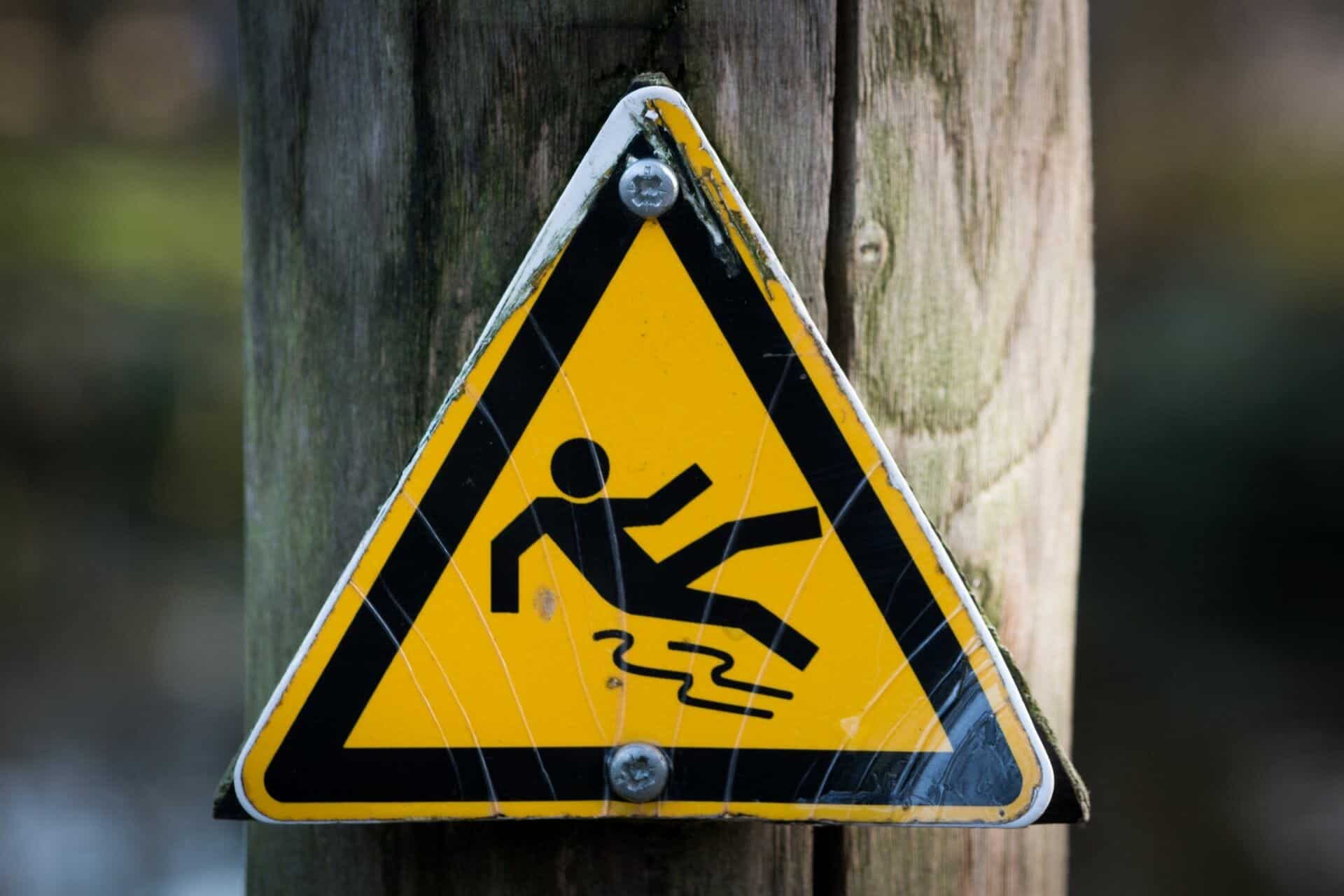
- Slip, trip, and falls: Slips and fall claims account for a significant percentage of tort claims filed in Virginia each year. Typical conditions on the property that may lead to a slip-and-fall accident include cluttered walkways, wet and slippery floors, potholes in the parking lots, torn rugs, uneven flooring, and defective, broken, or missing handrails or steps in the stairways.
- Elevator accident claims: The person who owns or has leased elevators in a building has a duty to ensure it is in perfect working condition. When they neglect this duty, accidents, and injuries can happen. Common elevator accidents that could lead to a premise liability claim include defective elevators, leveling issues, excessive speed, electrocution, and falling into shafts.
- Negligent security claims: Negligent security claims or premise security claims can arise when property owners or possessors fail to provide adequate security for those who visit their property. For example, if you are mugged in the parking lot, you can use sue the property owner or those responsible for maintaining the property for inadequate security.
- Dog bites: If you are attacked by a dog, the dog owner can be held liable for your injuries. However, to bring your claim, you must establish the landlord or property owner was aware of the dog’s presence on their property and that they knew or should have known about their dog’s aggressive tendencies. You should also show that they failed to take reasonable steps to ensure their dog doesn’t attack others again.
- Swimming pool accidents: If the pool owner fails to keep their swimming pool safe and, as a result, you get injured, they may be held liable under the doctrine of premises liability.
Essentially, any accident on someone’s property could be a premise liability case, from a wet floor at a grocery store to a broken staircase at an apartment complex.
General Liability
General liability is an insurance policy that covers several types of personal injury or damage that can occur during normal business operations. Generally, general liability is much broader than premise liability, with some policies covering specific premise liability cases such as slips and falls. It covers general damages or injuries related to a business operation, including those that occur while the employees perform their usual duties and services.
In contrast, premise liability specifically refers to an owner’s liability for the physical condition of their property that caused an accident. Premise liability doesn’t apply to a business’s services or employees.
When a business is sued for a premises-related injury, its general liability insurance policy is what actually pays the claim, which is why understanding both concepts matters when building your personal injury case.
Types of General Liability Claims
The following are typical examples of general liability claims:
- Third-party property damage claims: These claims happen when a business activity leads to the accidental damage of another person’s personal property. For example, a contractor who operates a crane across the client’s driveway loses control, and the crane collides with the client’s car to cause a huge dent.
- Personal and advertising injury claim: This claim arises when someone’s reputation is harmed through what a business says or prints in advertising. For example, if a brand publicly claims on social media that its competitor is a “crook,” it may face a lawsuit for damage or lost reputation.
- Products-completed operations claims: If a defect in a completed product or any other type of issue with the product results in injury or damage, a products-completed operations claim may arise.
Understanding the difference is the first step. If you’ve been injured and aren’t sure which type of claim applies to your situation, our attorneys are here to help. Contact us online for a free consultation.
Get in Touch with Our Premise Liability Lawyers
If you have suffered injuries or damages due to someone else’s negligent or reckless actions, the personal injury attorneys at Renfro & Renfro are here to help you understand your rights and pursue the compensation you deserve.
We understand the difference between premises liability and general liability. We also know the process can be complex and intimidating. Our Richmond, VA personal injury lawyers have helped injury victims across Virginia navigate claims exactly like yours. Let our team guide you through your claim and help you receive your deserved compensation.
Schedule a consultation with Renfro & Renfro today.
FAQ
Who pays a premises liability claim? In most cases, the property owner’s general liability insurance policy responds to and pays out the claim.
What do I need to prove in a premises liability case? You’ll generally need to show that a dangerous condition existed, that the property owner knew or should have known about it, and that their failure to address it caused your injury.
Can I file a premises liability claim if I was injured at a business? Yes. Injuries at restaurants, retail stores, shopping malls, and similar properties can all give rise to premises liability claims if a hazardous condition on the property caused your injury.
What types of incidents fall under general liability? General liability typically covers things like contractor property damage, defective products, and personal or advertising injury — situations tied to business operations rather than property conditions.