When a pedestrian is hit by a car, one of the first questions is: who is at fault in a pedestrian accident? In Virginia, the answer depends on a careful analysis of the facts of the case, including any police investigations, and the law. Understanding your rights is critical if you’ve been involved in a pedestrian car accident.
Understanding Fault in Pedestrian Accidents
Virginia follows strict contributory negligence rules. This means if a pedestrian is even 1% at fault for an accident, they may be barred from recovering compensation. This is far harsher than the comparative negligence systems used in many other states. Because of this, proving fault in pedestrian car accident cases becomes central to any pedestrian injury claim.
Driver vs. Pedestrian Fault Laws in Virginia
Virginia law imposes a duty of care on both the driver and the pedestrian. Drivers must yield to pedestrians in marked crosswalks, follow speed limits, and stay alert to prevent car accidents involving pedestrians. Pedestrians, on the other hand, must use crosswalks when available, obey traffic signals, and avoid darting into traffic. Violating these rules can shift liability in car pedestrian accidents.
When Drivers Are at Fault
- Failing to yield at a crosswalk
- Distracted driving such as texting or using a phone
- Speeding or reckless driving
- Ignoring traffic signals or stop signs
- Driving under the influence of alcohol or drugs
When Pedestrians Can Be at Fault
- Crossing outside of designated crosswalks (jaywalking)
- Entering the roadway suddenly and without warning
- Disregarding traffic signals
- Walking while intoxicated or distracted
How Fault Is Determined in Pedestrian Accidents
To determine fault, multiple sources of evidence are used:
- Police reports documenting how the accident happened
- Witness statements from those who saw the crash
- Traffic camera or surveillance footage of the incident
- Accident reconstruction experts who analyze motor vehicle accidents
- Medical records linking severe injuries to the crash
Because Virginia law is strict, an insurance company may use any evidence of negligence by the pedestrian to deny compensation. Quick and thorough evidence gathering is key to protecting your rights.
Can a Pedestrian Be at Fault for an Accident?
Yes, pedestrians can share responsibility or even be fully liable for their own injuries in some circumstances. For example, a pedestrian who runs across the street outside a crosswalk while distracted could be considered at fault. However, every pedestrian car accident must be evaluated on its facts.
Common Scenarios in Pedestrian vs Car Accidents
- Crosswalk Collisions: Usually the driver is liable if they fail to yield, but pedestrians must still obey signals.
- Parking Lot Accidents: Both the driver and pedestrian may share fault depending on visibility.
- Nighttime Accidents: Fatal pedestrian accidents may happen when visibility is poor, but drivers must still exercise reasonable care.
- Child Pedestrians: Generally, young children cannot be contributorily negligent, so the duty of a driver in an area known to have children, or a warning sign indicating children play in the area, can impose a higher duty of care on the driver.
Filing a Pedestrian Injury Claim in Virginia
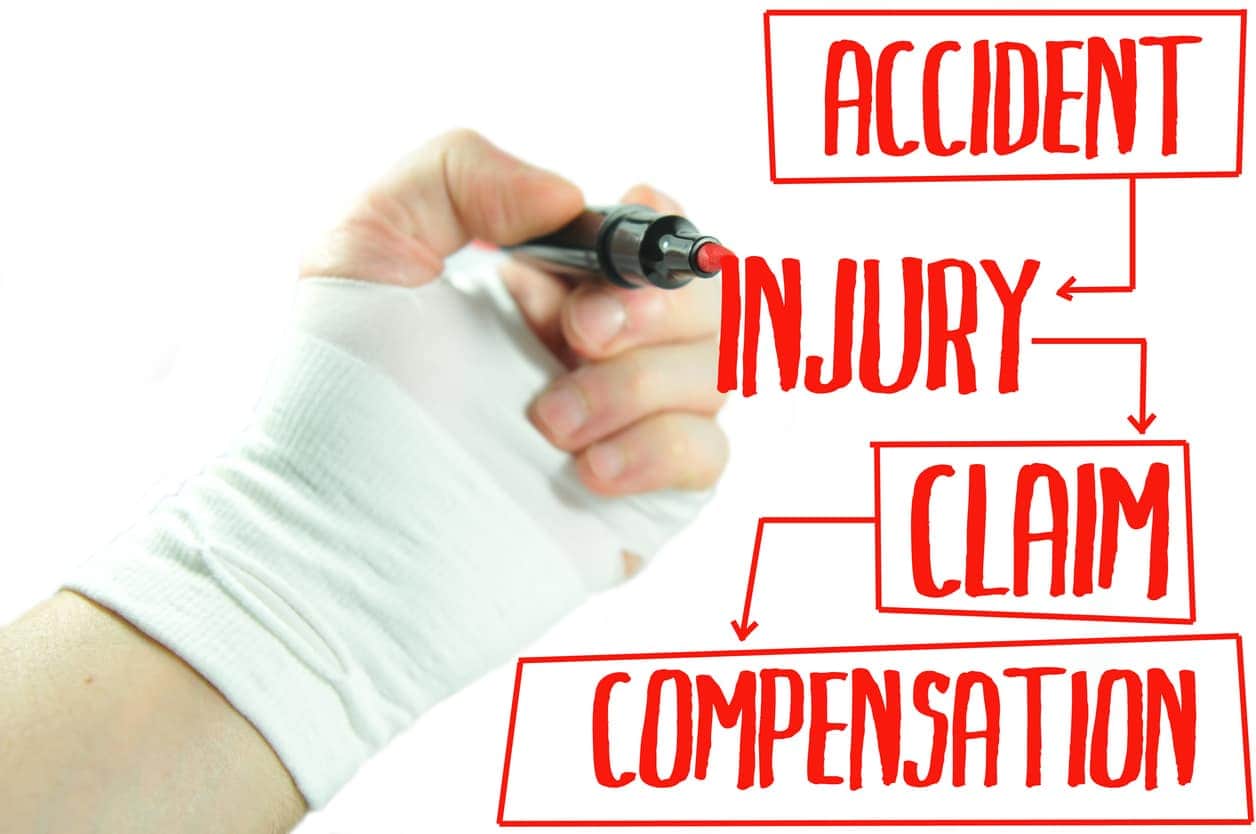
If you’ve been hit by a car, filing a pedestrian injury claim can help you recover damages such as medical bills and rehabilitation costs, lost wages from missed work, pain, suffering, and emotional distress, as well as long-term care for severe injuries. Because of Virginia’s contributory negligence rule, proving that you were not at fault is essential to building a successful claim.
Steps to Take After Being Hit by a Car
- Call 911 to report the accident and request police.
- Gather evidence, take photos of the accident scene, collect witness names, and note the driver’s information.
- Seek medical treatment even if you feel fine; many injuries appear later.
- Avoid admitting fault at the scene or to an insurance company.
- Contact a Virginia pedestrian accident lawyer promptly.
Why Legal Representation Matters
Pedestrian car accident cases are especially complex under Virginia’s negligence laws, and insurance companies often argue that pedestrians share fault. An experienced attorney can investigate how the accident happened, preserve witness statements and medical records, and work with experts to prove liability. They can also negotiate with the driver’s insurance company for fair compensation and, if necessary, take your case to court to protect your rights.
Protecting Your Rights After a Pedestrian Car Accident
Whether you were crossing a street, walking in a parking lot, or jogging on the side of the road, being hit by a car can cause life-changing injuries. Determining liability in car pedestrian accidents is rarely simple, and Virginia’s contributory negligence rule makes strong legal representation vital.
At Renfro & Renfro, our law firm has represented injured pedestrians across Richmond and Fredericksburg in motor vehicle accidents. If you or a loved one has been injured as a pedestrian hit by a car, don’t face the insurance company alone.
Contact us today to discuss your claim and take the first step toward seeking compensation and justice.