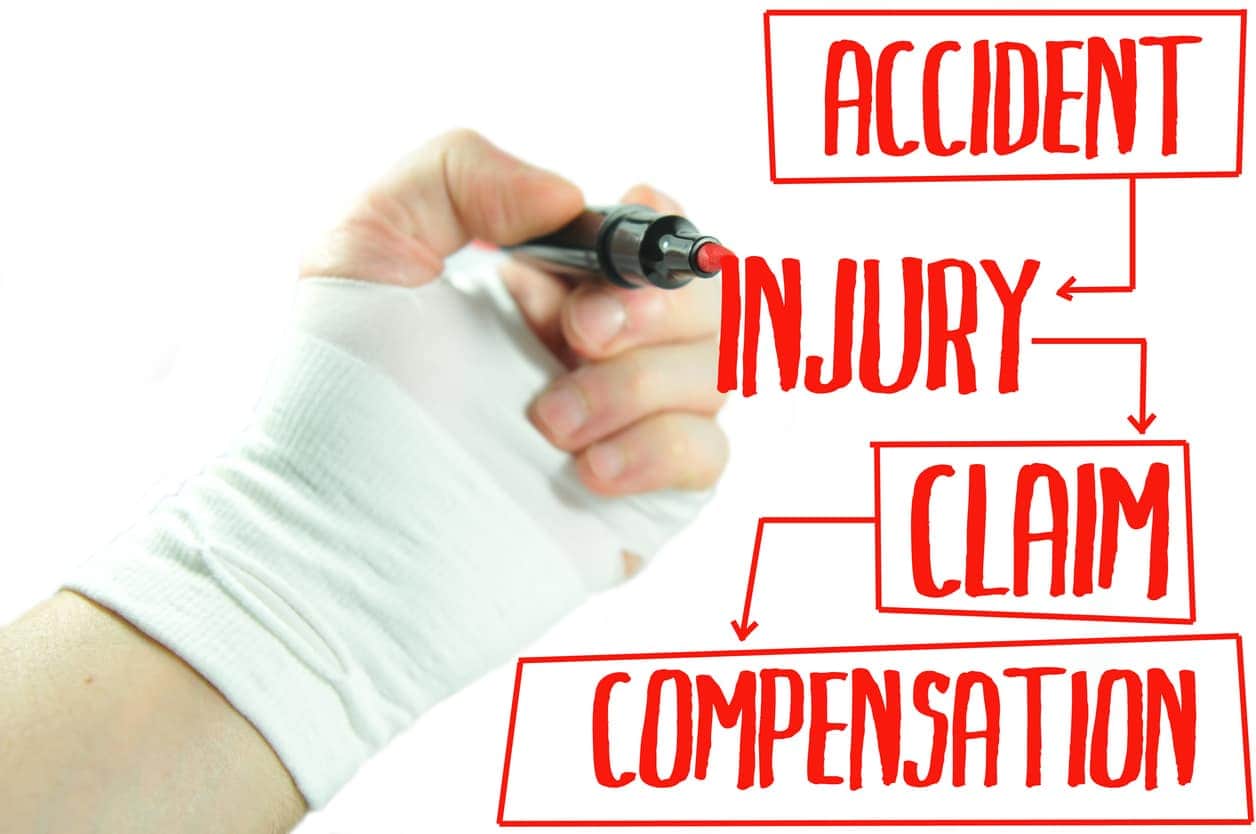
Successfully negotiating a personal injury settlement requires patience and the process can be nuanced. While insurance companies may appear to have your best interests at heart, they are really looking for ways to minimize their liability. One of the best things you can do to maximize your settlement is to consult with an experienced Virginia personal injury attorney.
If you choose to navigate this process on your own, the tips below outline practical, informational steps that may help strengthen your claim and improve your ability to pursue fair compensation under Virginia law.
Quick Summary: Steps That May Impact Your Settlement
- Preserve evidence as early as possible
- Seek prompt and consistent medical care
- Avoid common insurance adjuster tactics
- Keep organized records of expenses and treatment
- Understand the role an attorney can play
- Document how your injuries affect daily life
1. Preserve Evidence After a Virginia Personal Injury Accident
To successfully recover damages after an injury or accident, you need to establish liability. In other words, to prove the responsible party was at-fault for your injuries you need evidence. For example, if you were injured in a car accident you would want to take photographs at the accident scene, obtain statements and contact information from any witnesses, and document the environmental factors (time of day, temperature, road conditions). Photograph any damage to yourself or your property.
In the case of an auto accident, contact law enforcement immediately. After they complete their investigation and report, you will receive an exchange sheet containing a police report number; this number will help you to access the report and witness information.
2. Seek Prompt Medical Treatment and Follow Your Care Plan
It is critical for your health that you seek medical treatment immediately. Not only do you need a correct diagnosis to formulate a treatment plan, but you need to have your injuries diagnosed and documented to seek compensation for your injuries.
Insurance companies frequently review the timing and consistency of treatment when evaluating settlement value. Gaps in care or delays in seeking treatment may be used to argue that injuries were not serious or were caused by something else.
After being diagnosed, adhere to the treatment plan prescribed by your physician. Follow through on any referrals and attend all appointments. Failure to follow through with recommended treatments may leave the door open for opposing parties to question the severity of your injuries.
3. Avoid Common Insurance Adjuster Tactics
After an accident, you will be contacted by the insurance company for the adverse party; you will be asked to give a statement about your injuries and the accident. Do not give a recorded statement to the insurance adjuster until first consulting with an experienced personal injury attorney. The adjuster is looking for any evidence that can be used to deny your claim and shift blame away from the insured. It is a one-sided interview meant to help the insurance company.
4. Keep Records of Medical Bills, Expenses, and Treatment
At some point, you will need to order a copy of your complete medical records and medical bills. Make sure to include all treating providers, hospitals, clinics, physical therapy, chiropractors, and any other practitioner who rendered care for your injuries. In addition to medical records, maintain copies of all medical expenses. If you are working with an attorney, they will assist you in requesting the relevant records.
5. Consult a Virginia Personal Injury Attorney
While it is possible to negotiate and settle your personal injury claim without the assistance of an attorney, you are putting yourself at a significant disadvantage. People represented by an attorney are more likely to settle their claims for a higher amount than an unrepresented person. A skilled personal injury attorney will not fall for the usual adjuster traps and will zealously advocate for the best possible outcome.
Moreover, an attorney can take on the stress and time required to manage your injury claim so you can focus on your health and other priorities in your life. For example, the attorneys at Renfro & Renfro will handle the following tasks:
- Communicating with the opposing party and its insurer.
- Requesting medical records and bills.
- Drafting a formal demand letter to the opposing party’s insurance company.
- Hire expert witnesses to establish liability (e.g., accident reconstruction) and medical damages.
- Assist in preparing a statement for insurance adjusters.
- Keep track of and advise you on all relevant deadlines for settlement or any lawsuits.
- File a formal lawsuit if necessary.
- Take the case to trial if the insurance company does not offer a fair settlement.
The personal injury attorneys at Renfro & Renfro offer free consultations. If you are questioning whether to hire an attorney, contact us and we can review the facts of your case.
6. Document How Your Injuries Affect Daily Life
After an accident, you may find that you are no longer able to complete certain activities because of your injury. It can be helpful to keep a record of how your life has been impacted.
Are there hobbies or activities you completed prior to your injury that you can no longer participate in? Are you experiencing any disruptions in sleep? Do you have pain or other physical symptoms because of your injury and are you taking any medication? Has your ability to work been affected? Has your injury affected your personal relationships?
A well-documented record of life changes may help support claims for non-economic damages, such as pain and suffering, by providing concrete examples of how your injuries have affected your quality of life.
Talk to a Virginia Personal Injury Lawyer About Your Claim
If you or a loved one has been injured due to someone else’s negligence, you do not have to navigate the claims process alone. The personal injury attorneys at Renfro & Renfro provide clear guidance, practical advice, and a focused approach to protecting your rights. Contact us to schedule a consultation and discuss your options under Virginia law.